
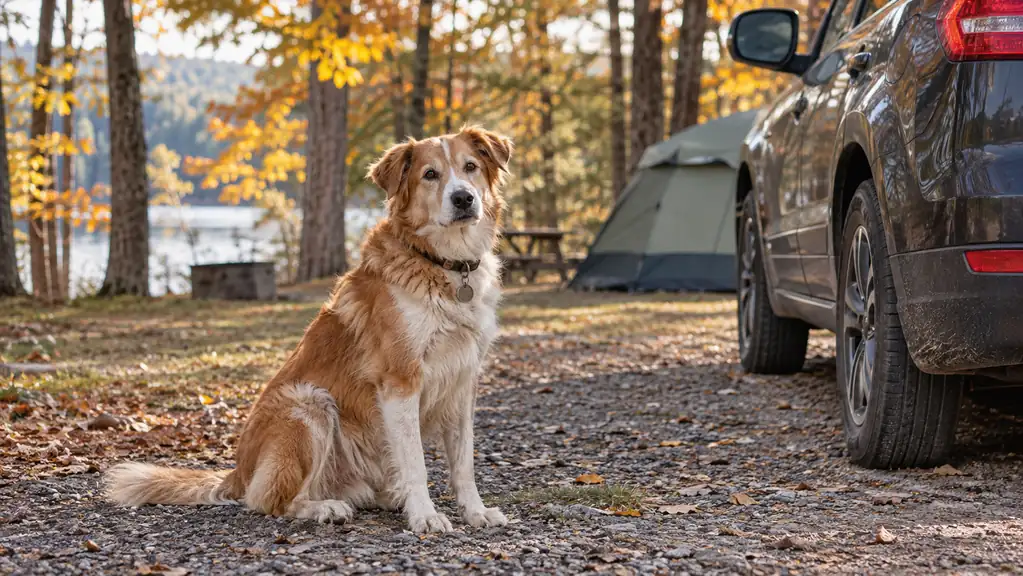
Juniper's first stiff morning came at the tailgate of our Outback. She was nine then, and she had ridden along on every trip for seven years, so I noticed the pause right away. She would stand at the open tailgate, look back at me, gather herself, and jump. Some mornings she needed a second try. By the time we got home from that trip, she was also slow to get up from her bed, and the left front leg seemed to bother her on gravel. My regular vet said arthritis in the hips and a stiff left elbow, and gave me the usual advice: keep her moving, keep her lean, and pick a joint supplement and stay with it long enough to know if it works. So I did what a lot of owners do. I stood in the supplement aisle at the big pet store near the freeway with the Nutramax Laboratories Cosequin on one side and a store-brand glucosamine chew on the other. I read both labels. I did the math in my head. And I bought the cheaper one first.
This is the comparison I wish someone had walked me through that day. I spent about six months on the generic chews, then switched Juniper to Nutramax Laboratories Cosequin and gave it a full six months as well. Same dog, same food, same walks, same camping season. I kept a little notebook, because I knew I would forget the small details. Every morning I wrote down how fast she got up, whether she paused at the tailgate, and how she did on the gravel path behind the house. The short answer is that the generic chews were not useless, but they were not enough. The difference showed up in the places that matter most for an old dog who still wants to come along: the cold morning start, the jump into the back of the Outback, the last mile of a long walk. If you are standing in that aisle right now, here is what I would tell you.
| Nutramax Laboratories Cosequin | Generic Glucosamine Chews | |
|---|---|---|
| Active ingredients | Glucosamine hydrochloride (FCHG49), sodium chondroitin sulfate (TRH122), and MSM, with the standardized forms named right on the label | Glucosamine and chondroitin listed without the same level of detail, and no named forms or source |
| Vet backing | #1 vet recommended retail joint health supplement brand, from a company with more than 25 years in pet health | Store brand with no veterinary reputation behind it |
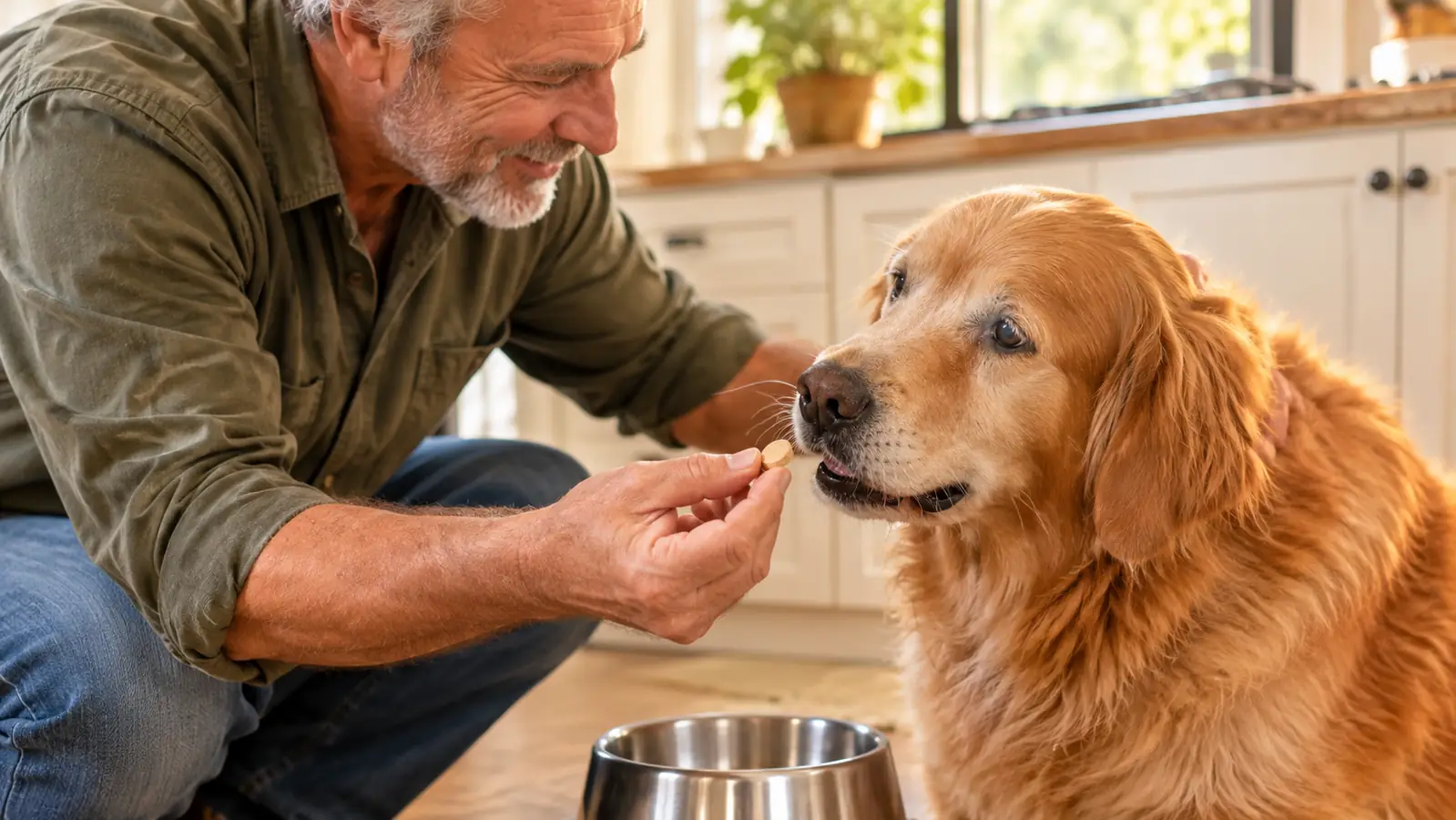
| Ease of giving | Chewable tablet Juniper took from my hand every morning, no hiding required | Chew Juniper ate, but only when I hid it in a spoonful of canned food |
| Cost over a year | Costs more per day, but the difference worked out to a few cents a day | Costs less per day, which is why I tried it first |
| Results over 6 months | Tailgate hesitation mostly gone by month four, faster starts on cold mornings | No change I could honestly point to after six months |
| Best for | An older dog with real stiffness who still camps, hikes and rides along | A younger dog with no visible symptoms yet, or a tight budget |
Where Nutramax Laboratories Cosequin Wins
The first thing I noticed was the label. The generic chews said glucosamine and chondroitin, but the amounts were buried and the source was never named. Nutramax Laboratories Cosequin lists glucosamine hydrochloride and sodium chondroitin sulfate right on the bottle, plus MSM, and it names its own standardized forms, FCHG49 and TRH122. For a supplement, that is the whole ballgame. You are not buying the word glucosamine. You are buying a specific amount of a specific compound, and if the label will not say what that is, you are guessing. I am not a chemist, and I do not need to be. I need the company that makes the thing to tell me what is in it, and Nutramax Laboratories does that in plain print on the front of the bottle. I also liked that the label said it was made for small, average, and large dogs, because Juniper is right in the middle at 48 pounds and I did not have to guess which size to buy. I compared the two bottles side by side on the kitchen counter. The generic label said 'glucosamine and chondroitin' in the same size print as the flavoring. The Cosequin label put the active ingredients up top and listed the forms. That difference matters when you are trying to judge whether a supplement is working. That alone would not have convinced me, but it is the reason I gave the switch a fair chance instead of assuming all glucosamine chews are the same.
The second thing I noticed was Juniper. On the generic chews, her mornings stayed the same: slow to rise, careful with the left front leg, that pause before the tailgate. I gave the generics a fair six months, because joints take time and I did not want to be that owner who switches every three weeks. When I switched to Cosequin, I did not expect much. But by the second month, the tailgate pause was shorter. By the fourth month, she was hopping into the back of the Outback the way she did at eight, and cold mornings stopped being the hardest part of her day. I remember one morning in particular, the third day of a camping trip in the eastern Sierra. The ground was frost-covered, the tent was cold, and Juniper came out, stretched, and walked straight to the tailgate without looking back at me. She still needed a moment to gather herself, but she did not need my help, and she did not need a second try. She is still an 11-year-old dog with arthritis. She still has stiff days, especially after a long drive or a wet cold night. But the baseline moved, and that is exactly what I was hoping for. The change was not overnight. In the first month, I was not sure anything was different. In the second month, I noticed she was getting up from her bed in one motion instead of two. In the third month, she stopped bracing herself before stepping down from the tailgate. The notebook helped me see the trend, because day to day it was easy to miss.
Where the Generic Chews Win
I will be honest about the other side, because it matters. The generic chews cost less, and for a lot of households that is the deciding factor. A joint supplement is a daily, ongoing cost, and the store brand made that easier to stomach. If your dog is seven or eight with no stiffness yet, or if your vet says you are being cautious rather than treating a real problem, the cheaper chew is a reasonable place to start. It is not nothing. It just was not enough for Juniper once her arthritis was actually limiting her. I also want to say this plainly: I did not see any harm from the generic chews. Juniper's digestion stayed normal, her appetite stayed normal, and she never acted like the chew bothered her. The problem was not that the generic chews did something wrong. The problem was that they did not do enough, and I could not tell from the label why. I kept the empty bottles for a while, thinking I would compare the labels side by side at home. The generic label listed glucosamine and chondroitin, but it never said how much of each, and it never named the source. That is a small thing until you are trying to judge whether a supplement is working. The generic chews were also harder to give. Juniper would eat them out of my hand for the first week, then she started leaving them in the bowl. I tried crumbling them over her food, and that worked for a while, but some mornings she would eat around the pieces. With Cosequin, she takes the tablet from my hand every morning and chews it like a treat. That sounds like a small thing, but when you are giving a supplement every single day, a fight at breakfast is a real cost.
The generics also won on availability. Every grocery run could include a fresh bottle, no special trip and no online order. That convenience is real, especially when you are packing for a camping trip and realize the jar is almost empty. I would never tell someone the store brand is a waste of money. I would tell them to try it with their eyes open, give it a full two or three months, and keep a simple log: how fast does she get up, does she pause at the tailgate, does the left elbow slow her down on gravel. If nothing changes, the money you save on the chew is not worth what the stiffness is costing her. I kept that log for six months, and the line on the page did not move. That is the part nobody tells you about the cheaper bottle. It is not a bad product. It is just a product that asks you to believe something without showing you the evidence, and for a joint supplement, evidence is the whole point. The one time I ran out of Cosequin on a trip, I stopped at a pharmacy and bought a generic bottle to get us through three days. Juniper ate it, but by the second day the tailgate pause was back. That was enough of an experiment for me. The availability argument faded for me after that first camping trip. I started keeping the Cosequin bottle in the same plastic bin as Juniper's food and her leash, so it was always packed. The store-brand convenience stopped mattering once I had a system. What mattered was whether the supplement worked, and the notebook said it did.
The brand my vet recommended and the one that actually moved Juniper's mornings
After six months on the generic chews and six months on Cosequin, I switched Juniper for good and never looked back. If your older dog is starting to hesitate at the tailgate, this is the one I'd buy first.
Amazon Check Today's Price on Amazon →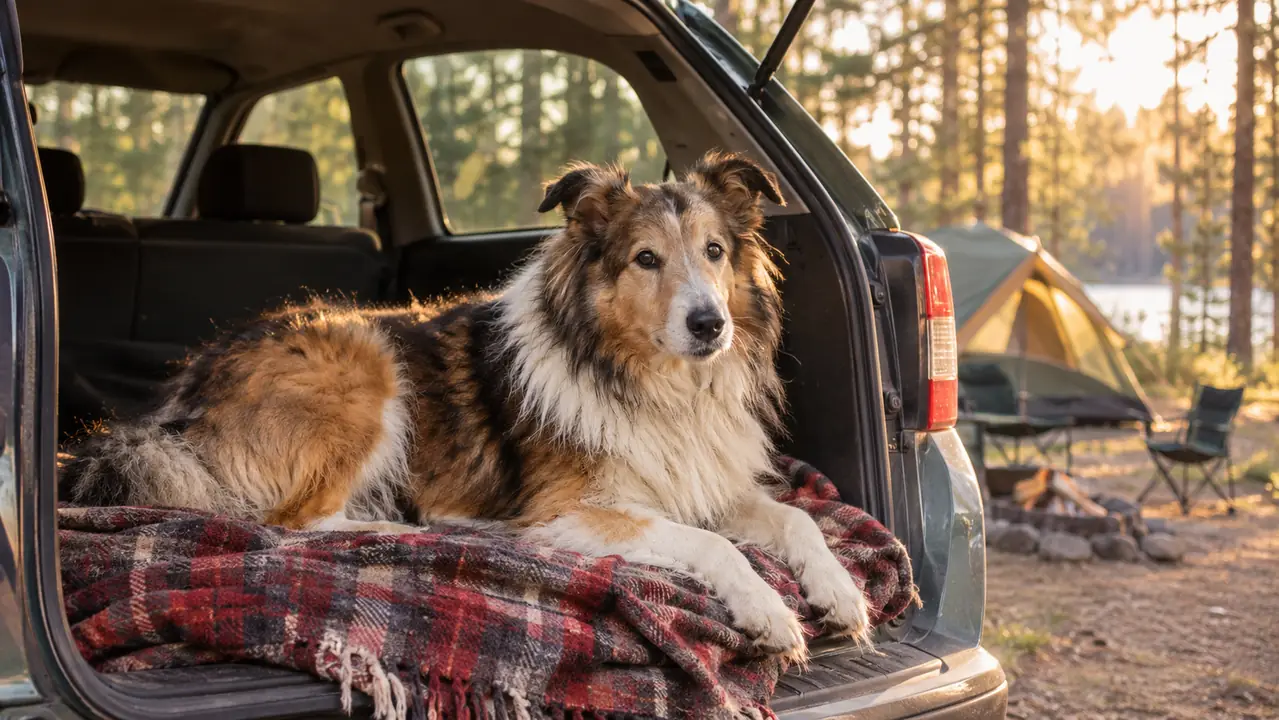
Who Should Buy Which
Buy the generic chews if your dog is younger, still moving well, and your vet simply wants you to start something early. Buy Nutramax Laboratories Cosequin if your dog is already showing stiffness, if the hesitation at the tailgate is becoming a daily thing, or if you tried the cheaper bottle and saw nothing change after a couple of months. That is the honest line, and it is the one I wish someone had drawn for me in that aisle. I am not saying the generic chews are fake. I am saying they did not do the job I needed them to do, and I have a notebook full of mornings that prove it. If you are still not sure, do what I did: buy the cheaper bottle first, keep the log, and let the dog tell you. Just do not let a small monthly difference be the reason you never find out whether the more expensive option would have changed her mornings. I know money is a real thing, and I know a supplement jar is an easy place to cut. But I also know what it costs to watch a dog hesitate at the tailgate and wonder if this is the trip she cannot make.
One more thing, and I mean this as a friend, not a sales pitch. Talk to your vet before you start anything, and get a real diagnosis. Juniper's plan is not just a supplement. It is her weight, her walks, the slow warm-up before we head out, and Cosequin on top. The supplement is the part I can point to on a label. The rest is the part that takes a little more effort, and it matters just as much. If your dog is hesitating at the tailgate, do not wait until the hesitation turns into a refusal. Start the conversation with your vet now, pick a supplement, and give it enough time to actually show you what it can do. That is the advice I needed two winters ago, and it is the advice I would give anyone standing in that aisle today. A supplement is not a substitute for a vet visit, and it is not a substitute for keeping an old dog moving. It is one part of a plan, and it only works if the rest of the plan is real.
By the fourth month on Cosequin, Juniper was hopping into the back of the Outback the way she did at eight. She still has stiff days. But the baseline moved.
If your dog is hesitating at the tailgate, don't wait another season to find out
Juniper is proof that an old dog can still come along. Cosequin is the supplement that made the difference for her, and today's price is the only number that matters.
Amazon Check Today's Price on Amazon →