
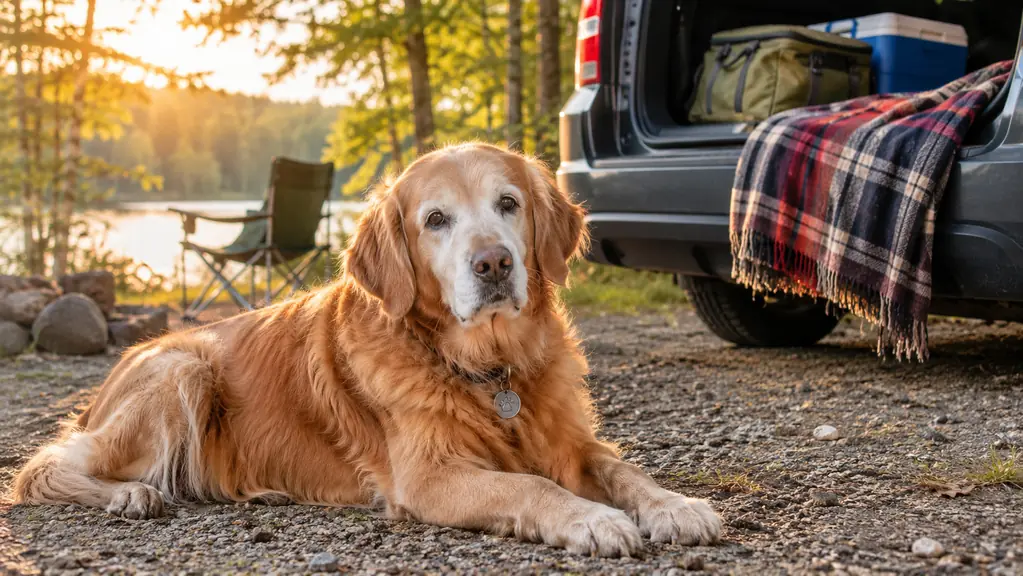
The morning stiffness was the first thing I noticed. Juniper, my 11-year-old Australian Shepherd mix, would lie at the foot of the bed and take a full minute to get up. Her left elbow seemed to lock up overnight, and the jump into the back of my Subaru Outback turned into a hesitant hop, then a pause, then a second try. The vet confirmed arthritis in her hips and that stiff elbow, and we built a plan around it. Zesty Paws Salmon Oil came into that plan about six months ago, and I've been pouring it over her dinner every day since.
I'll be honest: I did not expect a bottle of oil to fix anything on its own. Juniper is 48 pounds, she's been camping and riding along with me for nine years, and I know better than to expect one bottle to undo years of wear and tear. What I wanted was something that supported her joints and coat while we kept doing the things she loves. After six months, here's what I can actually tell you.
The Quick Verdict
Zesty Paws Salmon Oil has been a steady, no-drama addition to Juniper's routine: her coat is noticeably softer, her morning stiffness seems easier, and she's still hopping into the SUV on her own.
Amazon Check Today's Price →A simple daily addition for an older dog's joints and coat
One pump over dinner, no pills to hide, no fighting at mealtime. If your senior dog is slowing down, this is an easy place to start.
Amazon Check Today's Price on Amazon →How I've Used It
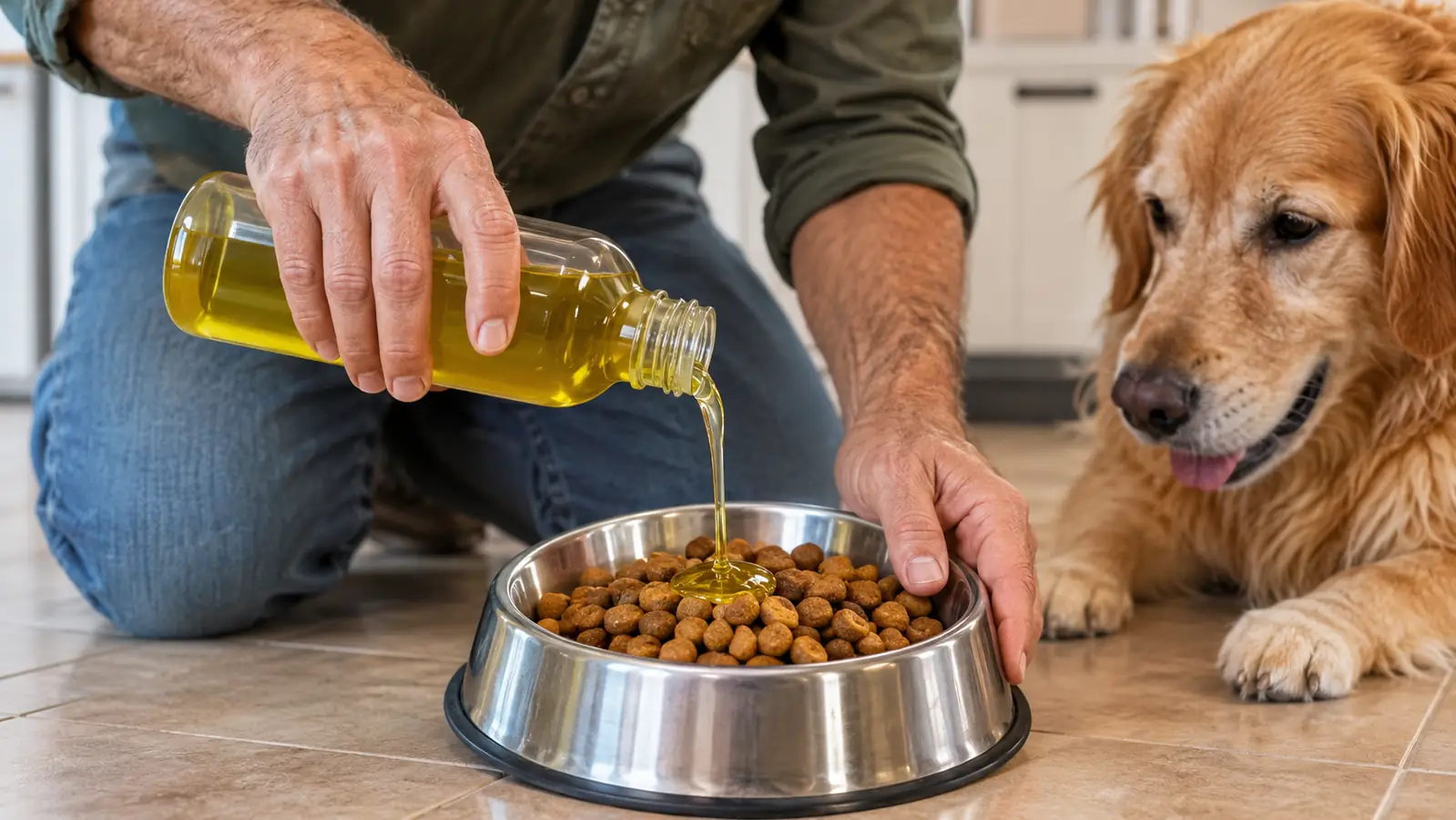
The bottle is 8.5 fluid ounces, and the pump makes it easy to portion. I give Juniper one pump over her evening meal. The directions on the bottle are simple, and because she's about 48 pounds, the standard serving for her size has worked well. I keep the bottle in the refrigerator after opening, as the label suggests, and it's lasted me roughly six weeks per bottle.
The oil itself is salmon oil with omega-3 fatty acids, including EPA and DHA. The active ingredients list wild-caught Alaskan Pollock and salmon, plus tocopherols, which act as a preservative. It has a mild fish smell, not an overwhelming one, and Juniper has never turned her nose up at it. In fact, she now waits by her bowl at dinner time, which is its own kind of review.
We started in mid-January, right after her checkup. I had asked the vet about omega-3s at that visit, because I'd read enough to think they might help with the joint stiffness, and she gave me the go-ahead. The first bottle arrived on a Tuesday, and I remember reading the label twice before I poured, checking the serving size against Juniper's weight. One pump, over her dinner, done. It took her about two seconds to notice something had changed about her bowl, and about ten seconds to decide she approved.
I've used it consistently, not perfectly. A few travel days meant she got her dinner without the oil, and once I forgot to pack it on a weekend trip to the coast in March. She went three days without it, and by the second day her coat felt a little less soft when I brushed her. Nothing dramatic, but I noticed, and I made sure the bottle came with us after that. So this is not a controlled study. It's one woman watching one older dog over six months, and I've tried to be honest about what I saw and what I didn't.
What Changed in Six Months
The clearest change was her coat. Juniper has always had a thick double coat, but last winter it got dull and a little dry, especially along her back. After about three weeks on the salmon oil, the difference was noticeable. Her coat looks shinier, feels softer, and she seems to shed a little less around the house. The product lists coat care and skin care among its benefits, and that's the part I'd vouch for most strongly. I brush her every few days, and the brush used to come away full of loose undercoat, especially in late winter. Now it comes away with noticeably less, and her coat has a gleam that photographs well in the morning light. It's the kind of change a stranger wouldn't notice, but someone who lives with the dog sees it every time they brush.
Her joints are harder to measure. The stiffness in her left elbow hasn't disappeared, and I wouldn't expect it to. Arthritis doesn't reverse because of a supplement. But the morning hesitation does seem shorter. She still takes a moment to get up, but she doesn't stand there licking her elbow the way she did in January. The jump into the Outback is still not the flying leap she made at age four, but she does it in one go more often than not. Cold mornings are still her hardest time. On the damp ones, she's slower to get going, and I don't push her. But the difference between January and now is that the hard mornings are the exception instead of the rule. That's the honest measure I go by.
The first time I really believed something was changing was the second week of February. We had our usual morning routine, and Juniper got up, stretched, and walked straight to the back door without the pause that had become normal. I didn't say anything to her, because that would have broken the spell, but I stood in the kitchen and watched her go. It wasn't a leap. It was just a dog getting up like getting up was ordinary. That moment is why I kept going with the bottle.
In April we did our first camping trip of the year, three nights in the Sierra foothills. The tailgate jump is our daily test, and on the second morning she got herself into the back of the Outback in one go. I stood there with my coffee and watched her do it, and I thought about how different that was from January, when she'd put her front paws up, stop, and look back at me for help. She still has bad days, especially when it's cold and damp, but the good days are more common than they were.
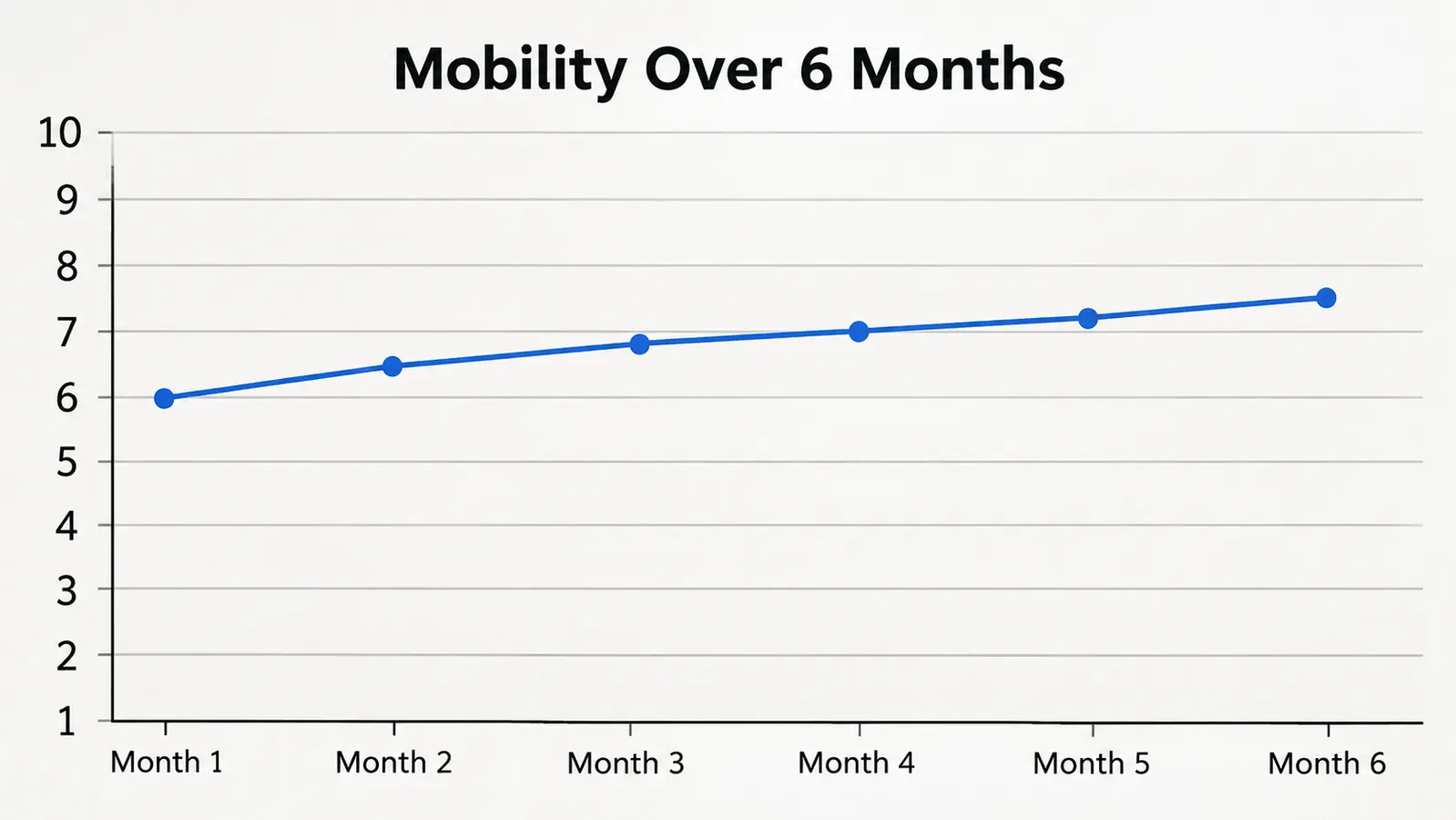
I track her on a simple scale in my head, one to ten, with ten being the puppy she used to be. In January she was hovering around a six. By late spring, she was closer to a seven and a half. That's not a cure and it's not a dramatic transformation. It's a slow, believable improvement, and it's why I've kept the bottle on the counter.
The stiffness hasn't disappeared, and I wouldn't expect it to. But the morning hesitation is shorter, and she gets into the SUV in one go more often than not.
How It Compares to Other Omega-3 Options
Before this bottle, I tried fish oil capsules designed for dogs. They worked, but they were a hassle. I had to poke a hole in each capsule and squeeze the oil over her food, which meant oily fingers and a capsule that sometimes rolled under the table. The pump bottle is genuinely easier. One pump, done, no mess. For a daily habit you'll keep up for months, that convenience matters more than it sounds like it should.
The capsules had another problem: I was never sure I was giving her a consistent dose. Some capsules were fuller than others, and when one split in my hand and soaked the counter, I started looking for something simpler. I also looked at omega-3 chews. Juniper is not picky, but she's also not fooled by a chew that's trying to be a treat. She ate the first one, was suspicious of the second, and by the third day she was spitting them out. The oil mixes into her food and she doesn't think about it twice. If your dog is a picky eater or needs to avoid extra chewables, the liquid form is worth considering.
When I asked my vet about switching from capsules to a liquid, she said the important thing was the EPA and DHA dose, not the form. That gave me permission to pick the form I could actually keep up with. I still check the label when I open a new bottle, and I like that Zesty Paws lists the omega-3 fatty acids, EPA and DHA, wild-caught Alaskan Pollock and salmon, and tocopherols right there. There's no mystery blend, no proprietary formula that hides the dose. For a supplement I'm giving my dog every single day, that transparency matters.
The Tradeoffs Nobody Mentions
The pump is convenient, but it can drip if you're not careful. I've learned to pump it over the bowl and give it a second to settle before moving the bottle away. It's a minor annoyance, not a dealbreaker, but it's worth knowing. I keep a paper towel under the bottle in the refrigerator door, and it catches the occasional drip so the shelf doesn't get sticky.
The fish smell is real. It's not offensive, and it hasn't made her breath noticeably worse, but if you are sensitive to fish smells, you'll notice it when you open the bottle. The refrigerator helps. I keep it in the door, and the smell stays contained. Her bowl needs a proper wash after dinner, not just a rinse, and I've learned to wash it before I sit down to eat, or the faint smell lingers in the kitchen.
Travel is the part nobody warns you about. The bottle needs to stay cold once it's opened, so it can't just ride in the back with the camping gear. On our April trip I packed it in a small cooler with an ice pack, and I pumped her dose into a little container for the nights we were eating dinner at the picnic table. It's one more thing to remember, and I did forget it once in March. That three-day gap told me more than I wanted to know about how much the oil was doing.
You also need to be consistent. A supplement like this works gradually, and skipping days here and there means you're not giving it a fair chance. I noticed the coat benefits within a few weeks, but the joint benefits took longer to show up, and they were subtle. If you're looking for a quick fix, this isn't it. And on the worst mornings, the cold damp ones, Juniper still needs the rest of the plan we built with the vet. The oil is one part of that plan, not the whole thing.
Pros and Cons
What I Liked
- Pump bottle makes daily dosing genuinely easy
- Noticeably softer, shinier coat within weeks
- Clear label with real ingredients and no mystery blends
- Works for dogs and cats, so one bottle can serve a whole household
- No pills to hide or chewables to refuse
Where It Falls Short
- Joint benefits are subtle and take time to appear
- Pump can drip if you don't give it a second to settle
- Fish smell is noticeable when you open the bottle
- Needs refrigeration after opening, so it takes up fridge space
- Not a substitute for veterinary care or a full joint plan
Who This Is For
Zesty Paws Salmon Oil is for the owner of an older dog who wants to do something simple and supportive without turning mealtime into a battle. If your dog is starting to slow down, if the coat is looking dull, if you're already doing the vet-recommended basics and want one more easy addition, this is a reasonable place to start. It's also a good fit if you have both a dog and a cat, since the same bottle works for both species. Juniper and I take road trips to collect stones for my garden work, and she rides along like she always has. The oil hasn't changed the fact that she's eleven. It has changed how easy the getting-out-of-the-car part is, and for a dog who still has places to go, that's the part that matters.
It's for people like me: someone who wants their dog along on the next camping trip, the next road trip, the next slow walk down a gravel path. It won't make your dog young again. But it might make the getting-up part a little easier, and that's worth something.
Who Should Skip It
If your dog has a diagnosed medical condition, or if you haven't talked to your vet about the stiffness you're seeing, start there first. Supplements support a plan; they don't replace one. If your dog is already on a prescription joint medication or a specific omega-3 dose from your vet, adding another source of EPA and DHA could throw off that balance. Ask your vet before you pour. Our vet checks Juniper's bloodwork once a year, and we talk about every addition to her routine at that visit. That's the habit I'd recommend to anyone. A supplement should fit into the plan your vet already has, not sit on top of it.
Also skip it if you're looking for a dramatic change. This is a slow, steady supplement, not a reset button. If you want a product that visibly transforms your dog in a week, you'll be disappointed. And if your dog won't eat food with anything added to it, you'll be fighting the pump every night for a dose that mostly ends up on the floor.
Six months in, I'm still pouring it over her dinner
The coat is softer, the mornings are a little easier, and Juniper still gets into the Outback on her own. If that sounds like the kind of slow win you're after, it's worth a try.
Amazon Check Today's Price on Amazon →